
Pawn shops have come a long way from the old stereotypes that many people still picture. For some, the word “pawn” brings up outdated ideas from movies or rumors passed around years ago. In reality, modern pawn shops are highly regulated financial businesses that operate under strict laws, detailed reporting systems, and close coordination with law enforcement agencies.
At VA Premier Pawn, every transaction is guided by rules designed to protect customers, prevent theft, and ensure fairness. Whether someone is buying, selling, or using a pawn loan for short-term financial support, the entire system is built around accountability and transparency.
Understanding how pawn shop laws work—and how deeply connected pawn shops are to law enforcement—helps clear up misconceptions and shows why these businesses are often safer than people realize.
Pawn Shops Are Highly Regulated Financial Businesses
One of the biggest misunderstandings about pawn shops is that they operate loosely or informally. In reality, pawn shops are licensed and regulated at the state and local level, often more strictly than many other retail businesses.
To legally operate, pawn shops must typically:
- Obtain a state-issued pawnbroker license
- Register with local municipalities
- Pass background checks for owners and employees
- Maintain detailed transaction records
- Follow strict reporting requirements
- Comply with consumer protection laws
These requirements are not optional. They are enforced through inspections, audits, and penalties for non-compliance.
Pawn shops are also classified as financial service providers in many states because they issue collateral-based loans. That means they are held to standards that go beyond typical retail operations.
How Every Transaction Is Tracked and Documented
Every item that enters a pawn shop is carefully documented. This is one of the most important parts of the entire system.
When a customer brings in an item, the shop records:
- Full customer identification
- Description of the item
- Serial numbers (when available)
- Photographs of the item
- Transaction type (pawn or purchase)
- Date and time of the transaction
This information is then stored in secure databases and reported to local law enforcement agencies.
In many states, pawn shops are required to submit daily or even real-time electronic reports. These reports are automatically checked against stolen property databases.
This means every item that passes through a pawn shop is traceable.
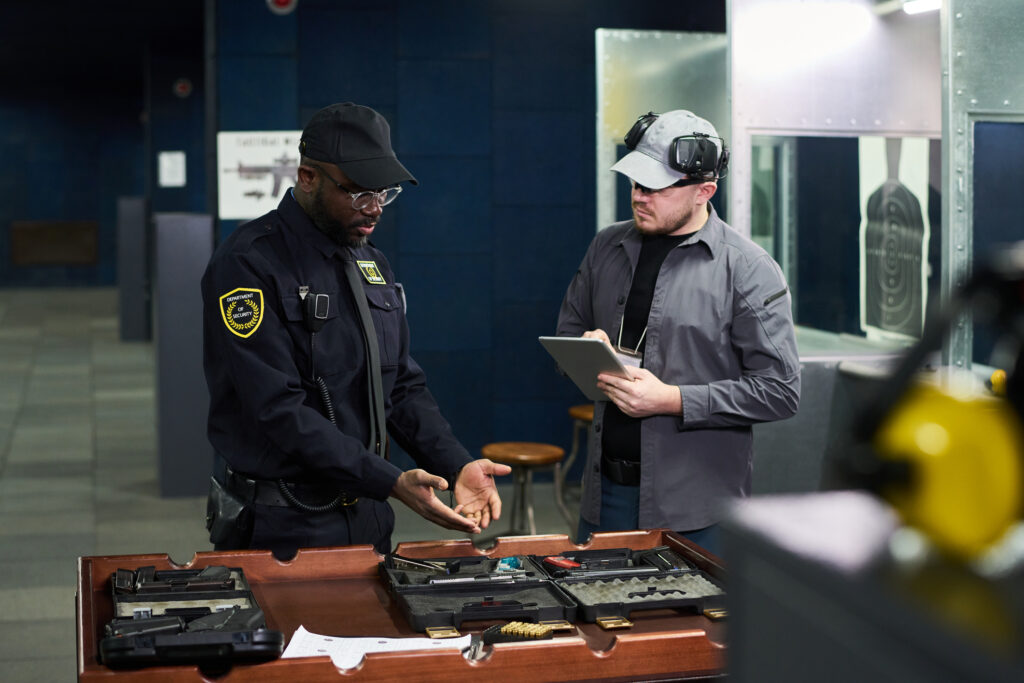
The Strong Relationship Between Pawn Shops and Law Enforcement
Pawn shops and law enforcement agencies work closely together—more closely than most people realize.
The reporting systems used by pawn shops are directly connected to police databases. This allows officers to quickly search for stolen items and identify where they may have ended up.
Here’s how the process typically works:
- A customer brings in an item to pawn or sell
- The pawn shop records detailed information about the item and the customer
- That data is submitted to law enforcement systems
- Police compare the information to stolen property reports
- If a match is found, the item is flagged and investigated
This system helps recover stolen property and deter theft in the first place. In fact, many criminals avoid pawn shops entirely because they know items are tracked so closely.
Rather than being a place where stolen goods disappear, pawn shops often become the fastest path to recovering them.
Mandatory Holding Periods Protect Everyone
Another important layer of protection is the required holding period.
Most states require pawn shops to hold items for a set number of days before they can be sold. This waiting period gives law enforcement time to:
- Review new pawn transactions
- Identify stolen property
- Contact the pawn shop if needed
- Recover items before resale
Holding periods vary by state, but they are typically between 10 and 30 days.
This delay is not a drawback—it is a safety feature. It ensures that items move through a legal review window before entering the resale market.
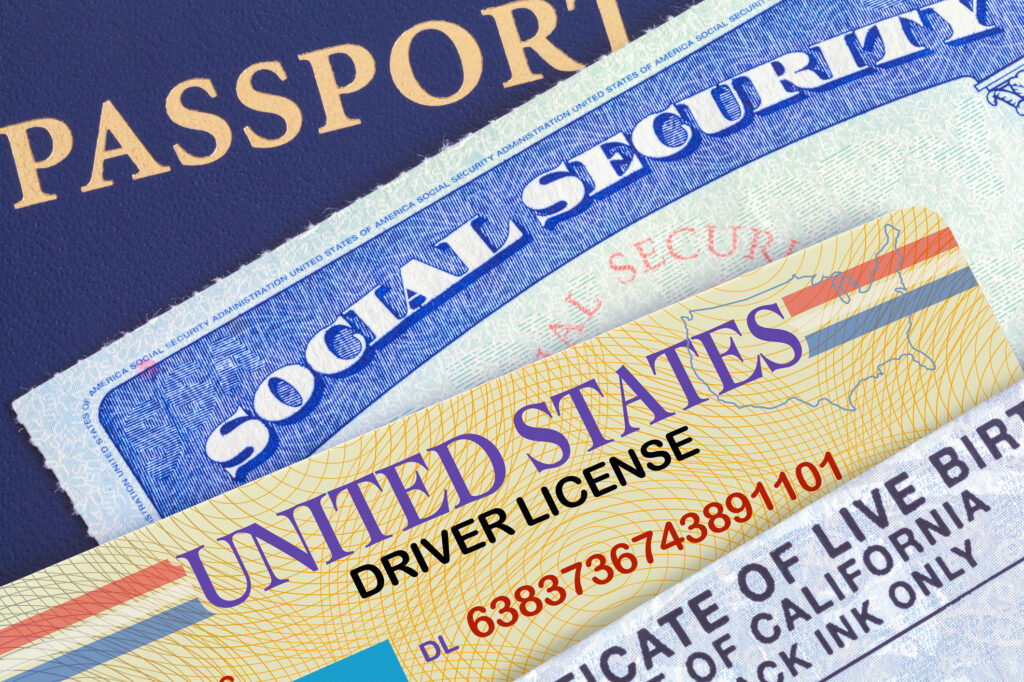
Why ID Verification Is So Strict
Every pawn transaction requires valid government-issued identification. This is another key safeguard built into the system.
Pawn shops must verify and record:
- Full legal name
- Address
- Date of birth
- ID number and issuing state
- Physical description of the customer
This ensures that every transaction is tied to a real, traceable individual. It also discourages fraudulent activity and helps law enforcement track stolen goods.
Unlike anonymous online marketplaces or informal resale apps, pawn shops require full transparency from every customer.
Common Myths About Pawn Shops
Even with strict regulation and strong oversight, pawn shops still face outdated myths. Many of these misconceptions come from older stereotypes that no longer reflect how the industry works today.
Myth 1: Pawn shops deal mostly in stolen goods
This is one of the most common—and most inaccurate—beliefs. In reality, pawn shops are one of the most closely monitored retail environments in existence. Because every item is reported and checked against stolen property databases, stolen goods are quickly identified and recovered.
Myth 2: Pawn shops are unsafe or untrustworthy
Modern pawn shops operate like professional retail businesses. They have security systems, surveillance cameras, trained staff, and strict operating procedures. Many customers find them safer than meeting strangers for online purchases.
Myth 3: Prices are unfair or misleading
Pawn shops are competitive retail environments. Prices are typically based on market value, condition, and demand. In many cases, customers pay significantly less than traditional retail prices.
Myth 4: Only people in financial trouble use pawn shops
Pawn shops serve a wide range of customers—collectors, small business owners, bargain hunters, and everyday shoppers. Many people use pawn loans temporarily without affecting their credit.

Why Pawn Shops Are Safe Places to Buy
Safety in shopping comes down to trust, transparency, and accountability. Pawn shops offer all three in a way that many modern marketplaces do not.
When you buy from a pawn shop, you benefit from:
- Verified and documented inventory
- Law enforcement reporting systems
- In-person inspection of items before purchase
- Professional staff trained in authentication
- Regulated pricing and resale practices
Unlike online marketplaces where buyers often rely on photos and seller descriptions, pawn shop customers can physically inspect every item before making a purchase.
That alone significantly reduces risk.
The Real Value of Shopping at a Pawn Shop
One of the biggest advantages of pawn shopping is value. Retail pricing often includes multiple layers of markup, including manufacturing, distribution, branding, advertising, and store overhead.
Pawn shops remove many of those layers.
As a result, customers often find:
- Lower prices on electronics
- Affordable tools and equipment
- Pre-owned luxury goods at reduced rates
- Unique or discontinued items not found in retail stores
This creates an opportunity to stretch your budget further without sacrificing quality.
Pawn Shops and Their Role in the Community
Pawn shops also play an important role in supporting local communities. They provide services that extend beyond retail, including:
- Short-term collateral loans without credit checks
- Quick access to cash for unexpected expenses
- Affordable resale goods for everyday needs
- Recovery support for stolen property victims
- Local job creation and economic activity
In many cases, pawn shops act as a financial bridge for individuals who may not have access to traditional banking services.
They also help circulate money within the local economy rather than sending it outside the community.
Technology Has Strengthened Pawn Shop Safety
Modern pawn shops are far more advanced than they used to be. Today’s systems use digital tracking and automated reporting tools that improve accuracy and security.
Most shops now use software that:
- Tracks inventory with barcodes and serial numbers
- Automatically reports transactions to law enforcement databases
- Flags suspicious or repeated activity
- Stores digital records for compliance and audits
- Cross-references stolen item databases instantly
This technology reduces human error and makes the entire system more efficient and secure.

Why Buying Retail Isn’t Always the Best Option
Traditional retail shopping has its place, but it isn’t always the most cost-effective choice.
Retail prices often include:
- Brand premiums
- Marketing costs
- Distribution markups
- Seasonal pricing strategies
By the time an item reaches a retail shelf, its price may be significantly higher than its actual market value.
Pawn shops offer an alternative that prioritizes value without sacrificing quality. Customers can often find the same brands and items for significantly less.
Selling and Pawning: A Simple, Flexible Option
Pawn shops don’t just serve buyers—they also provide financial flexibility for people who need quick access to cash.
Customers can:
- Pawn items for short-term loans
- Sell items outright for immediate payment
- Use valuables without affecting credit scores
The process is straightforward and regulated, making it a reliable option during financial tight spots.
Final Thoughts
Pawn shops today are built on structure, regulation, and accountability. They are not unregulated resale spaces—they are licensed financial institutions operating under strict laws and working closely with law enforcement agencies.