In our last article, we explored one of the biggest questions people have about pawn shops: Why should I shop at one?
The answer is pretty simple. A reputable modern pawn shop can offer excellent value, constantly changing inventory, knowledgeable experts, and opportunities to find everything from fine jewelry and luxury watches to electronics, coins, bullion, musical instruments, and other valuable merchandise.
But shopping is only one side of the pawn business.
A pawn shop is unusual because you can walk through the same front door for three very different reasons:
You can buy. You can sell. Or you can pawn.
Each option serves a different purpose.
Maybe you’re looking for a beautiful piece of jewelry without paying traditional retail prices.
Maybe there’s a gold bracelet sitting in your jewelry box that you haven’t worn in ten years.
Or perhaps you need some extra cash to cover an unexpected expense but don’t want to permanently sell something important to you.
That’s where understanding your options becomes valuable.
At VA Premier Pawn in Chesapeake, Virginia, customers have access to all three. The shop buys and sells a variety of merchandise and offers collateral-based pawn loans, giving customers different ways to use the value they already own.
Let’s look at the differences between buying, selling, and pawning—and how to decide which option might make the most sense for you.
Option #1: Buying at a Pawn Shop
We’ll start with the most enjoyable option: shopping.
Pawn shops aren’t conventional retail stores, and that’s exactly what makes them interesting.
Walk into a traditional jewelry store, electronics store, or big-box retailer and you’ll generally find predictable inventory. Products arrive through distributors, and there may be dozens of identical items sitting on shelves.
Pawn shops work differently.
Much of the inventory comes directly from people in the community. That creates a constantly changing selection of merchandise.
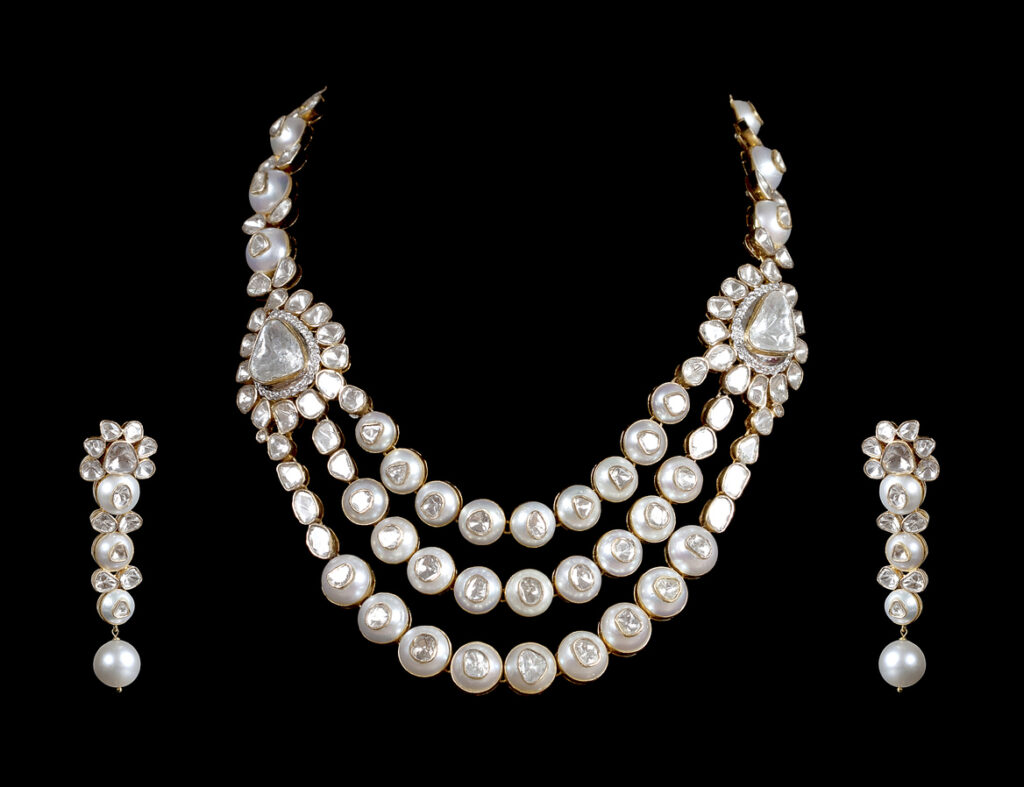
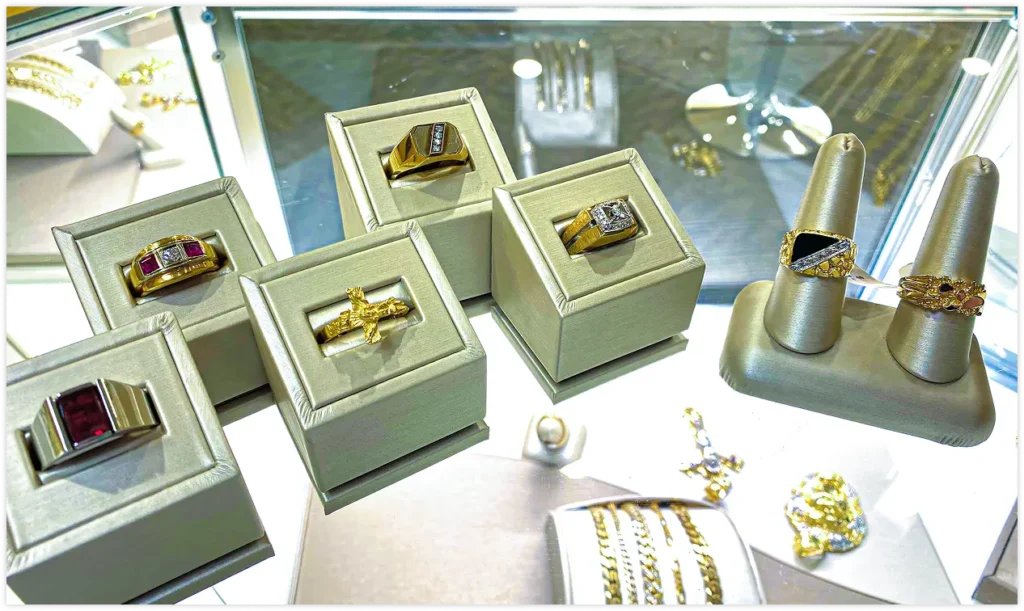
At VA Premier Pawn, merchandise and services include areas such as gold and jewelry, bullion and coins, luxury goods, watches, electronics, gadgets, and musical instruments.
Today you might find a gold chain that catches your eye.
Next month it could be a luxury watch.
Another visit might reveal an interesting coin, gaming system, guitar, or designer accessory.
That’s part of the experience.
Why Buy Pre-Owned?
For some consumers, “new” automatically sounds better.
But consider what you’re actually paying for when you buy something new.
You’re often paying for packaging, distribution, advertising, retail overhead, and the fact that nobody else has owned the item.
Those things don’t necessarily make the product itself better.
Take gold jewelry.
Gold doesn’t suddenly lose its beauty because someone previously owned it. A well-made 14K or 18K gold chain can potentially be enjoyed for decades.
The same principle applies to many luxury watches, musical instruments, tools, collectibles, and other quality merchandise.
If the item is in good condition and priced appropriately, purchasing pre-owned can be an excellent way to get more for your money.
Pawn Shops Can Be Great for Treasure Hunters
There’s another reason people enjoy shopping pawn stores: discovery.
You can’t always predict what will be available.
Someone may sell a piece of jewelry that hasn’t been manufactured for years. A collector might sell coins. Someone upgrading electronics may bring in a previous device.
That means inventory can include products that aren’t available in today’s traditional retail stores.
If you enjoy finding something different, shopping a pawn shop can be much more interesting than scrolling through pages of identical mass-produced products.
Option #2: Selling Something You No Longer Need
Now let’s turn the transaction around.
Instead of buying something, perhaps you have something valuable that you no longer use.
Take a look around your house.
You may be surprised by how much unused value is sitting in drawers, closets, jewelry boxes, safes, garages, and storage areas.
Maybe it’s an old gold chain.
Perhaps you upgraded your electronics.
Maybe you inherited jewelry that doesn’t fit your style.
You might have a watch you rarely wear or a musical instrument that hasn’t been played in years.
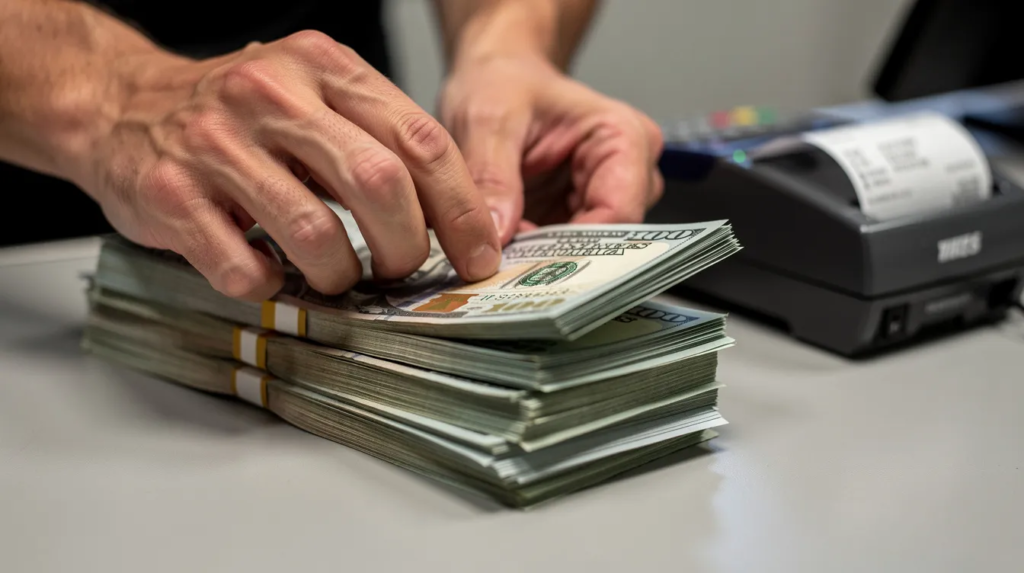
Selling can turn an unused possession into money you can actually use.
VA Premier Pawn evaluates and purchases a range of items, including gold, silver, jewelry, bullion, coins, luxury goods, electronics, musical instruments, and more. The store offers walk-in appraisals, so customers don’t need an appointment to have an item evaluated.
Why Do People Sell to Pawn Shops?
There are countless reasons.
Sometimes people simply want to declutter.
Other times they’re upgrading.
You may have purchased a new laptop and no longer need the previous one.
Perhaps you’ve changed your taste in jewelry.
Maybe you’re cleaning out an estate.
You could have inherited gold or silver that has sentimental value to someone else in the family but not necessarily to you.
Or maybe you would simply rather have cash than an item you’re never going to use again.
Selling doesn’t necessarily mean someone is experiencing financial trouble.
It can simply be a practical financial decision.
Convenience Is a Major Advantage
You could attempt to sell your item yourself.
There are online marketplaces, classified advertisements, social media groups, and other person-to-person selling options.
Sometimes those methods work well.
But they also require effort.
You may need to photograph the item, research pricing, create an advertisement, respond to messages, deal with people who don’t show up, negotiate with strangers, arrange payment, and potentially ship the item.
High-value merchandise can create additional concerns.
Selling to an established pawn shop offers another option.
You bring the item in.
An experienced professional examines it.
You receive an offer.
If you agree, you can complete the transaction without spending days or weeks trying to locate a private buyer.
For many people, that convenience has real value.
How Does a Pawn Shop Decide What Your Item Is Worth?
This is where expertise becomes particularly important.
A pawn shop can’t simply look at an item and guess.
Many factors may influence value.
With jewelry, for example, the evaluation might include metal type, purity, weight, stones, craftsmanship, condition, brand, and current demand.
Gold and silver require an understanding of precious-metal markets.
Luxury watches can involve brand, model, age, condition, documentation, accessories, and current resale demand.
Electronics may be influenced by age, specifications, condition, storage capacity, model generation, and how quickly technology has changed.
Coins and collectibles can require even more specialized knowledge.
VA Premier Pawn says its team has years of experience evaluating fine jewelry, luxury watches, bullion, and other high-value items, and emphasizes fair, transparent appraisals as part of its business model.
That’s one reason choosing a reputable pawn shop matters.
Option #3: Pawning an Item for a Short-Term Loan
Here’s where people sometimes get confused.
Selling and pawning are not the same thing.
When you sell something, you’re transferring ownership of the item in exchange for money.
When you pawn an item, you’re using the item as collateral for a loan.
That distinction is important.
Let’s say you own a valuable gold bracelet.
You need some extra cash, but you don’t want to permanently sell the bracelet.
A pawn loan may provide another option.
You bring the bracelet to the pawn shop.
The pawnbroker evaluates it and determines how much they’re willing to lend against it.
If you accept the terms, you leave the bracelet with the pawn shop as collateral and receive the loan proceeds.
You then have the opportunity to repay according to the agreed terms and reclaim your property.
VA Premier Pawn offers collateral-based pawn loans and states that no credit check is required.
Why Would Someone Choose to Pawn Instead of Sell?
The biggest reason is simple:
You want your item back.
Imagine you inherited your grandfather’s watch.
You wouldn’t normally sell it because it means something to you.
But maybe an unexpected car repair appears between paychecks.
If the watch has sufficient value, a pawn loan may allow you to use some of that value temporarily without making the immediate decision to permanently part with the watch.
That’s fundamentally different from selling.
Pawn Loans Use Property as Collateral
Traditional loans frequently revolve around credit history, income, applications, approvals, and other financial information.
Pawn loans work differently because the loan is secured by tangible property.
The pawnbroker is primarily evaluating the collateral.
That may include items such as jewelry, precious metals, watches, electronics, musical instruments, and other merchandise the shop accepts.
For someone considering a pawn loan, the most important thing is to understand the terms before agreeing to the transaction.
Ask questions.
Understand the amount you’re borrowing, applicable charges, payment requirements, and what you must do to redeem your property.
A reputable pawn shop should be willing to explain the transaction.
Selling vs. Pawning: Which Should You Choose?
This is one of the most common questions customers face.
A useful starting point is asking yourself one question:
Do I want this item back?
If the answer is no, selling may make more sense.
If the answer is yes, pawning may be worth considering.
For example:
You have an old laptop after purchasing a new one.
You don’t need the old laptop anymore.
Selling may make sense.
You have a gold necklace your mother gave you and you still want to keep it.
Pawning may make more sense if you need temporary access to cash and can meet the loan terms.
You inherited jewelry that nobody in the family wants.
Selling could turn unused property into usable money.
You own a luxury watch you love but need short-term funds.
A pawn loan could potentially let you access its value while retaining the opportunity to reclaim it.
There isn’t one answer that’s right for everyone.
The important thing is understanding the difference.
What Should You Bring to a Pawn Shop?
If you’re selling or pawning, bringing everything associated with your item can sometimes help with the evaluation.
For a luxury watch, that could include the original box, paperwork, extra links, or accessories.
For electronics, bring chargers and relevant accessories.
For musical instruments, bring the case or accessories if you have them.
For designer merchandise, original packaging, receipts, authenticity documentation, or accessories may be useful.
Don’t assume your item has no value simply because you don’t have the original packaging, though.
Let the professionals evaluate what you actually have.
Buying, Selling, and Pawning Can Work Together
One of the most interesting things about pawn shops is that these three services create a cycle.
One person has something they no longer use.
They sell it.
The pawn shop evaluates it and eventually offers it for sale.
Another customer discovers exactly what they’ve been searching for and buys it.
Meanwhile, another customer may not want to sell their property at all. Instead, they use an eligible item as collateral for a pawn loan.
That’s why pawn shops have remained useful for generations.
They create a local marketplace where merchandise and value can move between people in several different ways.
A More Sustainable Way to Shop and Sell
Buying and selling pre-owned merchandise can also keep useful products in circulation longer.
Consider how many electronics, watches, pieces of jewelry, instruments, and other products sit unused in homes.
Selling those products gives them an opportunity to be used again.
Someone else’s unused guitar could become a teenager’s first instrument.
A gold bracelet sitting forgotten in a drawer might become someone’s anniversary gift.
A luxury watch that no longer fits one person’s style could be exactly what another shopper has been searching for.
Instead of automatically buying new, consumers can give quality merchandise another life.
And instead of throwing away, donating, or storing valuable items indefinitely, owners have an opportunity to convert them back into cash.
Don’t Let Old Pawn Shop Stereotypes Cost You Opportunities
Many people have never walked into a modern pawn shop because their perception is based on television, movies, or stories they’ve heard.
They may assume pawn shops are only for emergencies.
They may believe everything is old.
They may think pawn stores only carry inexpensive merchandise.
Or they assume they’re only places where people go when they’re struggling financially.
In reality, customers use pawn shops for many reasons.
Collectors look for coins.
Musicians look for instruments.
Jewelry shoppers look for gold and diamonds.
Watch enthusiasts look for luxury timepieces.
People upgrading electronics sell previous devices.
Families handling estates sell items they don’t plan to keep.
And people who need temporary access to cash may consider collateral-based pawn loans.
A modern pawn shop can be part retail store, part resale marketplace, part appraisal resource, and part short-term lending business.
The Value of Working With Experienced Professionals
Whether you’re buying, selling, or pawning, knowledge matters.
You want someone who understands what they’re looking at.
VA Premier Pawn says it has served the Chesapeake area for more than a decade and focuses on transparent evaluations, competitive transactions, and knowledgeable customer service.
That experience is particularly valuable when you’re dealing with products whose value isn’t obvious.
How much gold is actually in a piece of jewelry?
Does the brand of a watch matter?
What affects the value of a coin?
How does condition affect an electronic device?
Why are two seemingly similar pieces of jewelry priced differently?
Those are questions experienced pawn professionals deal with every day.
Your Stuff May Be Worth More Than Sitting in a Drawer
Take another look around your home.
That jewelry you haven’t worn in years?
That old gaming system?
The guitar nobody plays?
The watch sitting in its box?
The gold coins you inherited?
They may represent value you’re simply not using.
On the other hand, the item you’ve been thinking about purchasing might already be waiting in a pawn shop display case at a price worth considering.
That’s the beauty of the pawn business.
Sometimes you’re the buyer.
Sometimes you’re the seller.
And sometimes you simply need to temporarily unlock some of the value in something you already own.

Visit VA Premier Pawn in Chesapeake, Virginia
Whether you’re looking to buy, sell, or pawn, knowing your options can help you make a more informed decision.
If you’re shopping, take time to explore the constantly changing inventory.
If you’re selling, bring in quality items you’re no longer using and find out what they’re worth.
If you’re considering a pawn loan, ask questions and make sure you understand the terms and what will be required to reclaim your property.
And don’t underestimate the value of having experienced professionals available to help you understand the merchandise you’re buying or the property you’re bringing in.
VA Premier Pawn welcomes walk-ins for buying, selling, pawning, and appraisals at its Chesapeake location.
VA Premier Pawn
3916 Portsmouth Blvd., Suite A1
Chesapeake, VA 23321
Hours:
Monday–Saturday: 10:00 AM–6:00 PM
Sunday: Closed
Buying, selling, and pawning are three different transactions—but they all start with the same thing:
Understanding the value of what you own and knowing your options.
Before you automatically buy new, throw something away, leave valuables sitting unused, or assume you have no options when you need extra cash, consider what your local pawn shop can offer.
You may walk through the door with something you no longer need—or simply an idea of what you’re looking for—and walk out having made a much smarter use of your money.