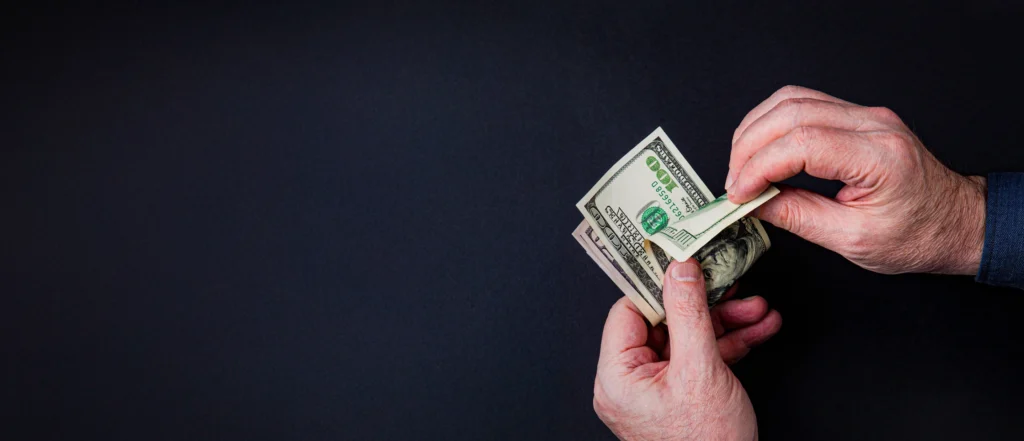
When an unexpected expense shows up, the first question is often simple: Where can I get the money I need without selling something I want to keep?
That is where an asset-based pawn loan can be useful.
In our previous discussion, we explained how an asset-based loan allows you to use an item you already own as collateral to access cash. Unlike many traditional lending options, a pawn loan is based primarily on the value of the item you bring in rather than your credit history.
But that leads to another important question:
What items can you actually pawn—and how can you get the most value from them?
At VA Premier Pawn in Chesapeake, Virginia, customers may have more value sitting in their jewelry boxes, safes, closets, or collections than they realize. From gold and diamonds to luxury watches and other desirable merchandise, those possessions may provide a way to handle a short-term cash need without permanently giving them up.
Here is what you should know before bringing an item to the pawn shop.
Your Belongings May Hold More Value Than You Think
Most people don’t think about their possessions in terms of liquidity.
You might own a gold necklace that has been sitting in a jewelry box for years. Perhaps you have a luxury watch you only wear for special occasions. Maybe you inherited jewelry or accumulated valuable pieces over time.
Those belongings have value—but that value isn’t readily available to pay a bill, cover an emergency, or handle an unexpected expense.
A pawn loan can potentially turn some of that value into temporary financial flexibility.
Instead of selling the item outright, you provide it as collateral for the loan. The pawn shop holds the item securely during the loan period. When you repay the amount owed according to the terms of your agreement, your property is returned to you.
That can be particularly appealing when the item has sentimental or long-term value.

Gold Is One of the Most Recognizable Assets to Pawn
Gold has long been one of the most common items brought into pawn shops.
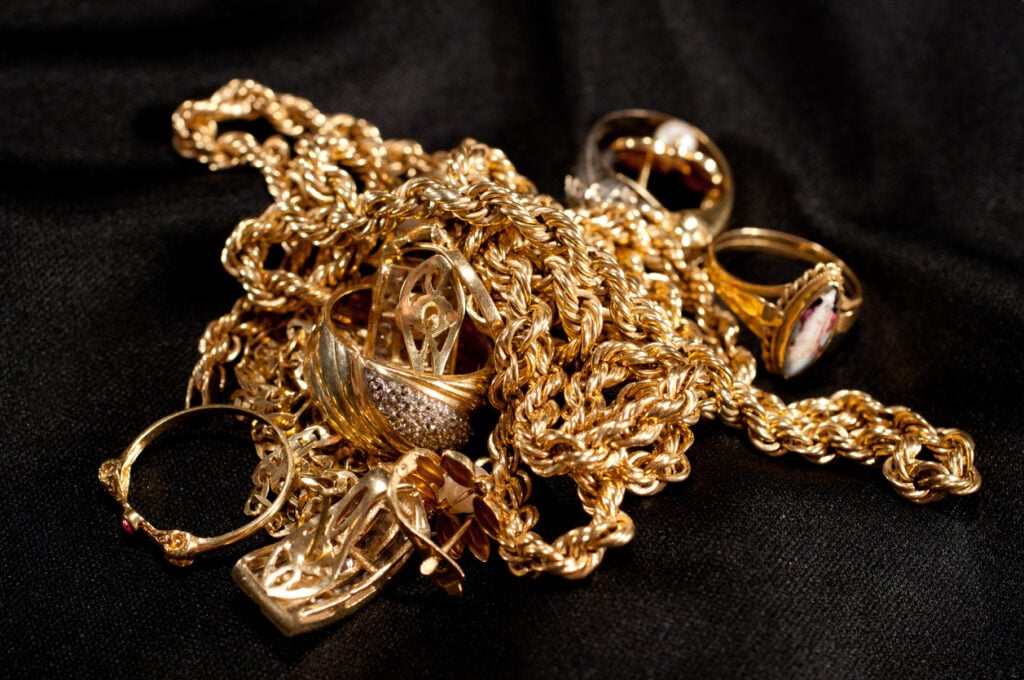
Gold jewelry can include:
- Rings
- Necklaces
- Bracelets
- Earrings
- Chains
- Pendants
- Broken or unwanted jewelry
- Vintage pieces
When evaluating gold, a pawnbroker may consider factors including its purity, weight, condition, design, and current market conditions.
The karat marking is one clue to the amount of gold contained in an item. Common markings include 10K, 14K, 18K, and 24K.
However, don’t assume an older, broken, tangled, or unfashionable piece has no value. Depending on the item, its gold content itself may still make it valuable.
If you’re unsure what you have, bringing the piece to VA Premier Pawn for an evaluation can give you a better understanding of its potential value.
Diamond Jewelry Can Provide Another Option
Diamond jewelry is another category people may consider when looking for a collateral-based loan.
An engagement ring from a previous relationship, an inherited diamond necklace, or a pair of diamond earrings that rarely leaves the jewelry box may represent considerable value.
Several characteristics can affect the evaluation of a diamond, including the familiar 4Cs: cut, color, clarity, and carat weight.
The jewelry itself matters as well. The setting may contain gold, platinum, or another valuable material, while certain designers or styles may influence desirability.
If you have documentation such as a grading report or other information about the diamond, consider bringing it with you. Documentation isn’t necessarily the same thing as current resale value, but it may provide useful information during the evaluation.
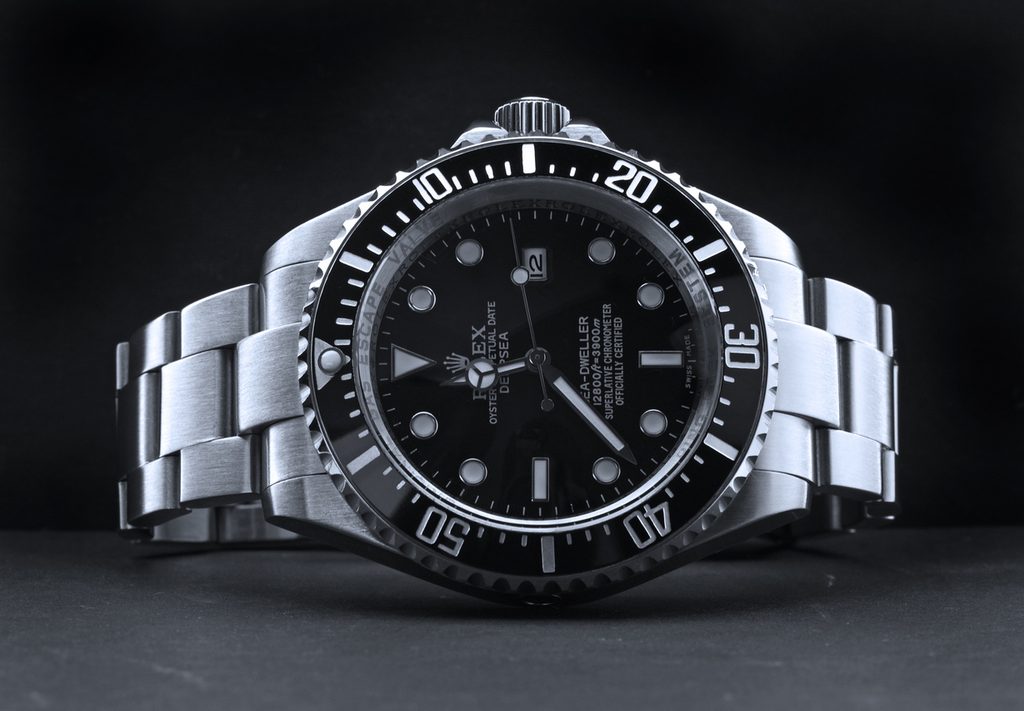
Luxury Watches Can Be Valuable Assets
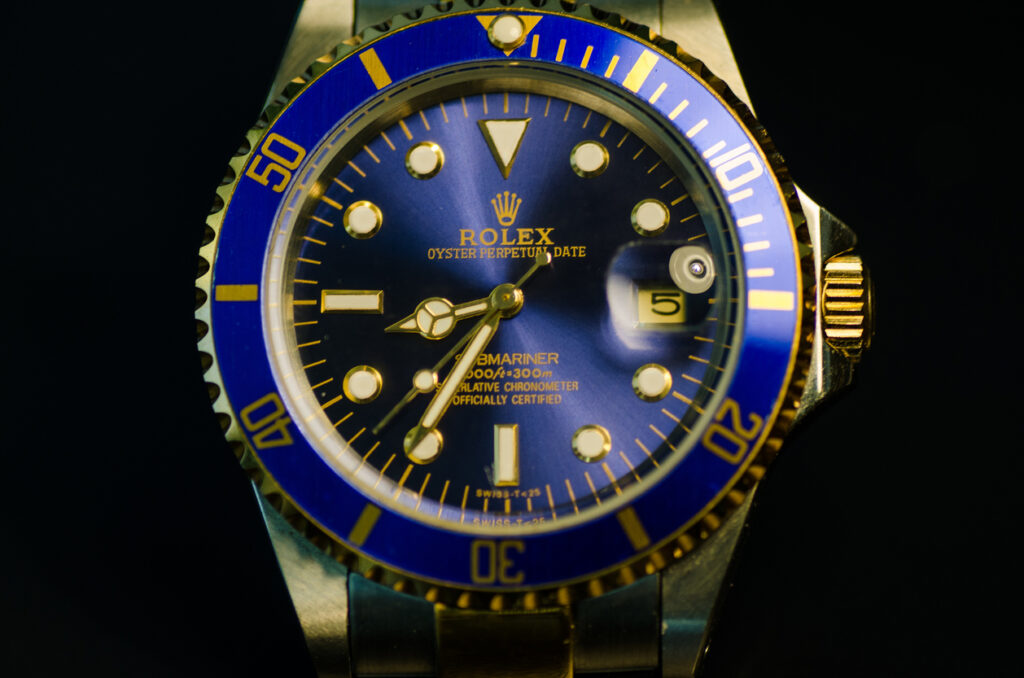
A quality watch isn’t simply a way to tell time. Certain luxury watches can retain significant secondary-market value.
Depending on the brand, model, age, condition, authenticity, and current demand, a luxury watch may be considered for a pawn loan.
If you have the original box, paperwork, warranty information, extra bracelet links, or other accessories, bring them with you.
These materials can help establish provenance and make it easier to evaluate the complete package.
Most importantly, don’t try to guess what your watch is worth based solely on its original retail price. The secondary market changes, and different models can have very different levels of demand.
A professional evaluation gives you a clearer picture of what your particular watch may be worth in today’s marketplace.

Fine Jewelry Isn’t Just About Gold and Diamonds
People sometimes assume that only large diamonds or heavy gold chains are worth bringing to a pawn shop.
That isn’t necessarily the case.
Fine jewelry can include combinations of precious metals, gemstones, designer craftsmanship, and recognizable brands. Vintage and estate pieces may also be worth evaluating.
If you’re cleaning out a jewelry box, don’t automatically dismiss pieces because they are old or because you no longer wear them.
Something that no longer fits your style may still have market value.
Why Condition Matters
When an item is being evaluated, condition can influence its desirability and potential value.
For example, a luxury watch in excellent working condition with minimal wear may be more desirable than an identical model requiring significant repairs.
Jewelry with intact stones, functional clasps, and minimal damage can also be easier to evaluate and potentially resell if necessary.
However, that doesn’t mean you should spend a large amount of money repairing or professionally cleaning something before bringing it in.
In fact, aggressive home cleaning can sometimes damage jewelry, gemstones, or watches.
When in doubt, bring the item in as it is and allow an experienced professional to look at it first.
Bring the Extras With You
If your valuable item originally came with accessories or documentation, gather those materials before visiting the pawn shop.
For a luxury watch, that might include the original box, papers, receipt, warranty card, spare links, or service records.
For jewelry, you may have gemstone reports, original packaging, receipts, or other documentation.
These materials don’t automatically determine what an item is worth, but they can provide additional information that helps during the evaluation process.
Understand the Difference Between Appraised Value and Pawn Value
This is an important distinction.
A jewelry appraisal—particularly one prepared for insurance purposes—does not necessarily tell you how much cash you can receive through a pawn loan.
Insurance replacement values may reflect what it could cost to replace an item through a retail channel. A pawnbroker must evaluate an item differently, considering factors such as its current condition, authenticity, resale market, demand, and the amount the business could reasonably recover if the loan isn’t repaid.
That is why bringing in a $5,000 insurance appraisal doesn’t automatically mean the item supports a $5,000 pawn loan.
Understanding this distinction can help you arrive with realistic expectations.
How Can You Get the Most for Your Item?
Preparation can make the process easier.
Know what you’re bringing in whenever possible. Gather documentation and accessories. Don’t hide damage or mechanical issues. And don’t be afraid to ask questions about how the item was evaluated.
You should also understand the loan terms before agreeing to anything.
Ask:
How much am I receiving? What fees or finance charges apply? When is payment due? What is the total amount required to redeem my item? What happens if I need additional time?
A pawn loan should never be something you agree to without understanding the numbers.
Have a Repayment Plan Before You Pawn
One of the biggest advantages of a pawn loan is that it can allow you to access the value of an asset without immediately selling it.
But if keeping the item is important to you, go into the transaction with a plan for getting it back.
Before accepting the loan, look at your upcoming income and expenses. Determine how the repayment will fit into your budget.
If the item is especially sentimental—such as a family heirloom or meaningful piece of jewelry—consider that emotional value along with its financial value before using it as collateral.
The goal isn’t simply to get cash today. It is to make a financial decision you understand and can manage.
Pawn or Sell? They Serve Different Needs
Sometimes selling makes more sense. Sometimes pawning does.
If you have an item you no longer want and would rather walk away with cash, selling may be the simpler choice.
If you need temporary cash but want to retain ownership of the item, a pawn loan may be more appropriate.
For example, imagine you own a luxury watch you intend to keep for many years but encounter an unexpected car repair. Selling the watch solves the immediate problem but permanently gives up the asset.
Using it as collateral for a pawn loan may provide another option, provided you understand and can manage the repayment terms.
The important thing is having choices.
Why Chesapeake Residents Use Pawn Loans for Short-Term Cash Needs
Life doesn’t always wait for payday.
Vehicle repairs, home expenses, travel costs, medical bills, school expenses, seasonal costs, and other unexpected needs can create temporary gaps between the money you have available and the money you need.
Traditional borrowing isn’t always convenient or appropriate for every situation.
A pawn loan provides a different approach because the transaction is secured by tangible personal property.
That can make the process relatively straightforward: bring in an eligible item, have it evaluated, review the offered loan and its terms, and decide whether it works for you.

Turn the Things You Own Into Options
The jewelry, gold, diamonds, or luxury watches you already own aren’t simply possessions. They are assets—and under the right circumstances, they may give you access to financial flexibility when you need it.
The key is knowing what you have, understanding its potential value, and choosing whether selling or borrowing against it makes sense for your situation.
At VA Premier Pawn in Chesapeake, VA, you can bring in your valuable items for evaluation and learn what options may be available.
Whether you’re considering pawning gold, exploring a loan on a luxury watch, or wondering what your jewelry may be worth, start by asking questions and understanding the terms before making your decision.
Your valuables have a story. Sometimes, they can also give you options when life gets expensive.